

TL;DR:
- Proper budget breakdown and contingency planning prevent overspending and hidden costs.
- Personalizing communication and managing attendee journey improve event engagement and attendance.
- Advanced timing, backup plans, and organization tools reduce logistical and technical failures.
Planning an event means juggling creativity, logistics, budgets, and people all at once. One overlooked detail can snowball into a full-blown crisis, and 55% of planners say unexpected costs are the primary reason they overspend. Whether you're organizing a wedding, a corporate conference, or a private celebration, the same patterns of mistakes show up again and again. This article walks you through the most common pitfalls, from budget blunders to timing traps, and gives you practical, proven strategies to sidestep each one before it costs you time, money, or your client's trust.
Table of Contents
- Overlooking the budget breakdown
- Guest list and attendee journey mistakes
- Timing missteps with vendors and logistics
- Forgetting risk, backup, and tech planning
- Our perspective: The overlooked cost of 'small' mistakes
- How smarter tools help you avoid mistakes
- Frequently asked questions
Key Takeaways
| Point | Details |
|---|---|
| Budget for the unexpected | Set aside at least 10% of your budget for unforeseen costs to avoid overruns. |
| Prioritize guest experience | Personalize communications and track RSVPs to boost attendance and engagement. |
| Plan deadlines carefully | Build a precise timeline for vendor bookings and logistics, with regular check-ins. |
| Always have backup plans | Prepare for weather, technical glitches, and emergencies to minimize disruptions. |
| Small details matter | Overlooking basics can do more damage than major mishaps; meticulousness pays off. |
Overlooking the budget breakdown
Cost is where most events start to unravel. Not because planners are careless, but because budgets are built on assumptions rather than reality. 65% of planners face budget overruns averaging 20%, and the fix is almost always the same: a more detailed breakdown from day one.
A solid event budget isn't just a number. It's a living document with categories, estimates, actuals, and a buffer. The main cost buckets to plan for include venue rental, catering, decor, audio-visual equipment, staffing, transportation, and marketing. Each category hides smaller line items that catch planners off guard.
Here's a sample comparison of budgeted versus actual costs by category:
| Category | Budgeted (%) | Actual (%) | Typical overrun |
|---|---|---|---|
| Venue | 30% | 35% | +5% |
| Catering | 25% | 30% | +5% |
| Decor | 15% | 18% | +3% |
| AV and tech | 10% | 14% | +4% |
| Staffing | 10% | 12% | +2% |
| Miscellaneous | 10% | 13% | +3% |
These overruns add up fast. A 20% total overrun on a $50,000 event means an extra $10,000 you didn't plan for.
Hidden costs planners frequently miss:
- Venue overtime fees if your event runs long
- Permits and licenses for outdoor events or amplified music
- Gratuities for catering and service staff
- Last-minute equipment rentals
- Tech support fees for hybrid or virtual components
- Parking or shuttle logistics
- Printing and signage updates
Using a dedicated budget tracker keeps all of this visible in one place instead of scattered across spreadsheets and email threads.
Pro Tip: Always reserve 10 to 15% of your total budget as a contingency fund. Treat it as spent money from day one. If you don't use it, great. If you do, you're covered without panic.
The mindset shift here is important. A budget isn't a ceiling you try to stay under. It's a forecast you actively manage. Review it weekly as you get closer to the event date, and update actual costs as contracts are signed.
Guest list and attendee journey mistakes
With the budget mapped, your next big pitfall is in the details of who's invited and how they're engaged. A guest list is more than names on a spreadsheet. It's the foundation of your event's atmosphere, logistics, and success.
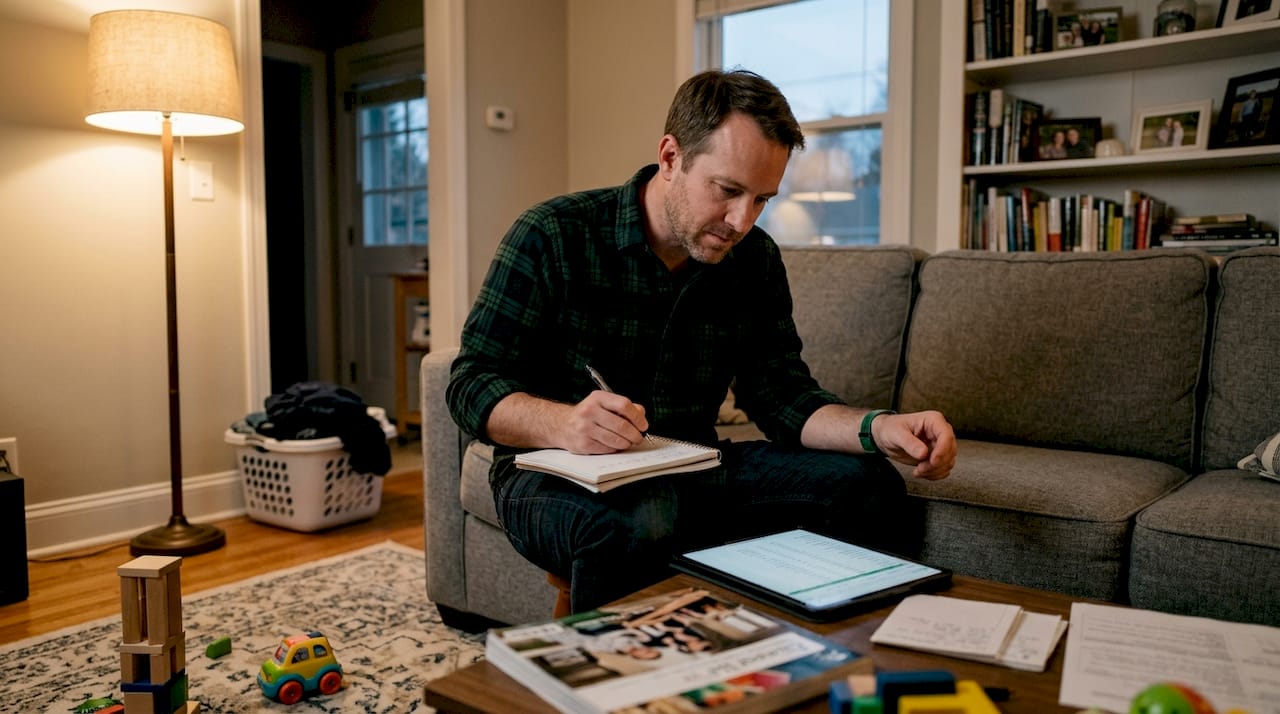
Neglecting the attendee journey and failing to personalize communication results in low engagement, with a 52% attendance rate benchmark for events that don't actively manage their guest experience. That means nearly half your invited guests may not show up.
Here's how to close that gap:
- Send personalized invitations. Generic mass invites feel like junk mail. Use the guest's name, reference the occasion, and make them feel genuinely expected.
- Communicate early and often. Send save-the-dates, reminders, and logistical details in stages. Don't dump everything into one email.
- Ask about needs upfront. Dietary restrictions, accessibility requirements, and plus-one preferences should be collected at RSVP, not the week before the event.
- Track RSVPs in real time. Knowing who's confirmed, who's pending, and who hasn't responded helps you follow up strategically.
- Plan a post-event touchpoint. A thank-you message or survey after the event builds relationships and gives you data for next time.
The comparison between manual tracking and software tools is stark:
| Task | Manual tracking | Event software |
|---|---|---|
| RSVP tracking | Spreadsheet, prone to errors | Automated, real-time updates |
| Dietary needs | Separate notes or emails | Stored per guest profile |
| Seating arrangement | Manual chart updates | Drag-and-drop interface |
| Communication | Individual emails | Bulk personalized messages |
| Post-event follow-up | Manual outreach | Automated sequences |
A guest list manager handles all of this in one place, reducing errors and saving hours of back-and-forth.
"Engagement starts with understanding your audience."
Think about attendee journey planning the same way a retailer thinks about customer experience. Every touchpoint, from the invite to the farewell, shapes how people feel about your event.
Timing missteps with vendors and logistics
A great attendee experience can flop if you stumble over timelines and logistics. Timing is where events are often made or broken, and the mistakes here tend to be irreversible.
Timing errors like booking vendors too late, mismanaging the guest list, and skipping weather backup plans are among the most cited reasons weddings and large events go sideways. The same patterns apply to corporate events and private parties.
There's an interesting tension in vendor booking advice. Some experts recommend locking in major vendors 12 to 18 months out for peak seasons, while others caution against committing too early before your vision is fully formed. The smart middle ground is to secure your venue and top-tier vendors early, then fill in secondary vendors once the core plan is solid.
Must-have scheduling checkpoints:
- Venue booked and deposit paid (12 to 18 months out for large events)
- Save-the-dates sent (6 to 12 months out)
- Catering, photography, and entertainment contracts signed (6 to 9 months out)
- Invitations sent with RSVP deadline (2 to 3 months out)
- Final headcount confirmed with caterer (2 to 3 weeks out)
- Day-of timeline distributed to all vendors (1 week out)
- All vendor contacts reconfirmed (48 hours before)
Using a vendor coordinator feature lets you track contract status, payment deadlines, and contact details without digging through your inbox.
Logistical gaps that often get missed include parking arrangements, delivery windows for decor or equipment, and permits for outdoor setups. These feel minor until they aren't.
Pro Tip: Build weather and tech backup plans into your timeline, not as afterthoughts. Identify your backup venue or tent option early, and always re-confirm key dates with vendors at the 48-hour mark.
An event checklist keeps every checkpoint visible and assigned, so nothing falls through the cracks as the event approaches.
Forgetting risk, backup, and tech planning
After covering timing, the final layer is preparing for what you can't predict. The unexpected isn't a matter of if. It's when.
18% of hybrid events experience tech failures, and events with no backup plan for weather, vendor illness, or AV breakdown face the most damaging outcomes. A single point of failure can unravel hours of careful work.
Common scenarios to plan for:
- Rain or extreme weather for outdoor events
- AV or livestream failure during a key presentation
- Vendor cancellation or no-show day-of
- Transportation delays for guests or speakers
- Power outages affecting lighting or sound
- Hybrid event platform crashes or connectivity issues
- Medical emergencies requiring first-aid access
"Backup plans are your insurance against the unpredictable."
For each critical function, identify a Plan B before the event date. For weather, know your covered alternative. For AV, have a technician on standby and a backup laptop with all files loaded. For vendors, keep a short list of emergency contacts in your industry network.
Staff briefings matter more than most planners realize. Every team member should know the backup plan for their area of responsibility. A well-briefed team can pivot in minutes. An uninformed team freezes. Run a short walkthrough the day before, covering the most likely failure points and who handles what.
Use your event risk checklist to assign backup owners to each scenario. When something goes wrong, there's no scramble to figure out who's in charge.
Our perspective: The overlooked cost of 'small' mistakes
Here's something most event planning guides won't tell you: the events that truly disappoint guests rarely fail because of one big disaster. They fail because of ten small things that nobody fixed.
A missing directional sign. An unlabeled food station. A microphone that cuts out twice. A seating chart that wasn't updated after two last-minute RSVPs. None of these are catastrophic alone. Together, they create a feeling that the event was poorly run, even if the venue was stunning and the food was excellent.
In our experience, the highest return on investment in event planning isn't a bigger budget or a more impressive venue. It's a comprehensive checklist reviewed obsessively in the final 72 hours. It's a post-event debrief that captures what slipped through. It's the discipline to prioritize basics over bells and whistles.
Chasing perfection is a trap. Executing fundamentals without fail is the goal. The planners who consistently deliver memorable events aren't the ones with the most creative ideas. They're the ones who never let the small stuff slide.
How smarter tools help you avoid mistakes
Ready to make event planning less stressful and more mistake-proof?
Every mistake covered in this article has a practical fix, and most of them come down to visibility and organization. When your budget, guest list, vendor contracts, and task timeline live in separate places, things fall through the cracks. When they're unified, you catch problems before they become emergencies.
WdPlan brings all of it together in one platform. The event checklist tool keeps your timeline on track. The budget management software tracks every dollar against your plan. Guest management, vendor coordination, seating arrangements, and moodboards all live in the same workspace. Start your free trial today and see how much smoother your next event can run.
Frequently asked questions
What is the most common event planning mistake?
Failing to set a realistic budget and not tracking costs leads to the majority of event planning issues. 65% of planners face budget overruns averaging 20%, making financial planning the single most critical area to get right.
How can I avoid last-minute event problems?
Build contingency plans for weather, technical glitches, and vendor cancellations, and confirm all details at least 48 hours before the event. Events without backups for tech or weather emergencies face the most damaging last-minute failures.
What's a key tip for increasing guest engagement?
Personalize invitations and consider each guest's specific needs to improve attendance and participation. Neglecting the attendee journey consistently results in lower engagement and a weaker event experience overall.
When should I book vendors for my event?
Typically book major vendors 8 to 12 months out, but tailor timing to your event type and season. Some experts recommend starting even earlier for peak seasons, while others advise waiting until your core vision is confirmed.
Why do hybrid or virtual events fail?
The main reasons are technical issues and a lack of backup support during the event. 18% of hybrid events experience tech failures, making pre-event testing and on-site technical support non-negotiable.